
Want your HVAC to last longer and perform better? Discover the best winter practices to protect your system and extend its lifespan.
Glossary of Terms
HVAC: Heating, Ventilation, and Air Conditioning system responsible for maintaining indoor comfort year-round.
Air Filter: A component that traps dust and debris to ensure clean air circulates through the HVAC system.
Thermostat: A device that controls your HVAC system by maintaining a set temperature.
Heat Exchanger: A critical furnace component that transfers heat to warm the air.
Ductwork: A network of air ducts used to distribute heated or cooled air throughout your home.
Zoning System: A heating and cooling system that divides a home into sections with independent temperature controls.
Preventative Maintenance: Regularly scheduled services to keep your HVAC running efficiently and avoid costly breakdowns.
Why Care About Your HVAC’s Lifespan?
Your HVAC system is a significant investment, and its efficiency and longevity can impact your comfort and budget. Winter is a particularly demanding season, as the system works harder to maintain consistent warmth. Adopting proactive practices ensures that your HVAC remains reliable for years to come while keeping energy costs in check.
10 Tips to Maximize Your HVAC’s Lifespan
1. Replace Air Filters Regularly
Dirty filters restrict airflow, causing your HVAC system to work harder and overheat. Over time, this strain can damage internal components like the blower motor and heat exchanger.
- Why It’s Critical: Restricted airflow leads to uneven heating and higher energy bills.
- How Often? Replace filters every 1–3 months or more frequently if you have pets or allergies.
- Pro Tip: Keep a few spare filters on hand for easy replacements.
2. Schedule Regular Maintenance
HVAC systems need routine checkups to identify minor issues before they escalate. Neglecting maintenance can lead to costly repairs and shorten your system’s lifespan.
- What’s Included: Inspections, cleaning, lubrication, and system testing.
- When to Schedule: Book annual heating maintenance before winter begins to ensure optimal performance.
- Bonus: Many maintenance plans include priority service and discounts on repairs.
3. Keep Vents Open and Unblocked
Closed or blocked vents can create pressure imbalances in your ductwork, forcing your system to work harder. This not only wastes energy but also increases wear and tear on your HVAC components.
- How to Check: Inspect all vents for obstructions, such as furniture, curtains, or rugs.
- Tip: Use vent extenders for furniture that can’t be moved.
4. Use a Programmable Thermostat
A programmable thermostat ensures your HVAC system isn’t overworking during low-demand periods, such as when you’re sleeping or away from home.
- Key Features: Set schedules to reduce heating during off-peak times and increase it just before you return.
- Why It Helps: Saves energy, reduces system strain, and cuts heating costs by up to 10%.
5. Inspect and Seal Ductwork
Leaky ducts can waste up to 30% of heated air, making your system inefficient. This causes your HVAC to run longer cycles, increasing wear.
- How to Spot Issues: Look for drafts, uneven heating, or visible gaps in your ductwork.
- Professional Help: Contact heating repair experts to inspect and seal your ducts.
6. Don’t Overwork the System
Setting your thermostat too high may seem like a quick fix for cold days, but it forces your system to run constantly, leading to unnecessary strain.
- What to Do: Stick to 68°F when home and awake, and lower it by 7–10°F when sleeping or away.
- Supplemental Heating: Use a space heater for small areas instead of cranking up the thermostat.
7. Keep the Area Around the Unit Clear
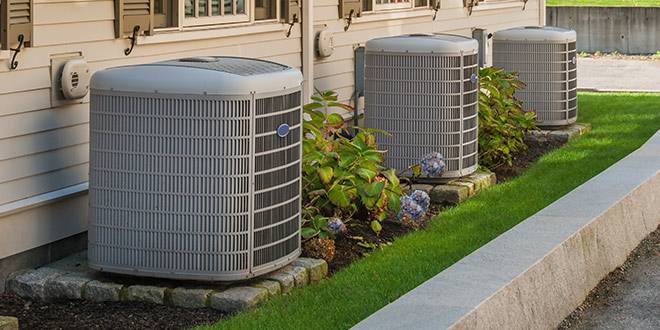
Your HVAC system needs proper airflow to operate efficiently. Outdoor units can become clogged with leaves, snow, or ice, while indoor units can be blocked by clutter.
- What to Check: Clear at least two feet of space around the unit. Remove any debris weekly.
- Pro Tip: Install a protective cover for your outdoor unit during heavy snowfalls.
8. Use Curtains Strategically
Curtains can act as natural insulation, reducing your HVAC’s workload.
- How It Works: Open curtains during sunny days to let in natural heat, and close them at night to trap warmth inside.
- Extra Savings: Pair with insulated curtains for even better energy efficiency.
9. Monitor Humidity Levels
Dry winter air can make your home feel colder than it actually is, prompting you to raise the thermostat.
- Solution: Use a humidifier to maintain indoor humidity between 30–50%.
- Why It Helps: Humidity makes the air feel warmer and reduces strain on your HVAC.
10. Upgrade When Needed
Even with diligent care, an HVAC system will eventually reach the end of its lifespan. If your system is over 15 years old or requires frequent repairs, it’s time to consider a replacement.
- Benefits of Upgrading: Modern systems are more energy-efficient, reliable, and environmentally friendly.
- Expert Help: Schedule a consultation for heating installation to find the right system for your home.
🔍 Winter HVAC Care at a Glance
| Maintenance Tip | Why It Matters | How Often? |
| Replace air filters | Prevents clogs, improves efficiency. | Every 1–3 months |
| Schedule professional maintenance | Identifies and resolves issues early. | Annually, before winter starts |
| Seal ductwork | Reduces heat loss, improves efficiency. | As needed (check every few years) |
| Use a programmable thermostat | Reduces overuse, extends HVAC lifespan. | Ongoing |
| Clear debris around outdoor unit | Ensures proper airflow, prevents damage. | Weekly during winter |
Enhance Your Comfort with HVAC Zoning
If your home has areas that are consistently colder or warmer than others, consider investing in an HVAC zoning system. Zoning divides your home into multiple temperature-controlled zones, allowing for targeted heating and cooling.
- Benefits:
- Increased comfort in all areas of your home.
- Reduced energy costs by heating only occupied zones.
- Extended HVAC lifespan by reducing unnecessary cycles.
- Professional Installation: Contact us for customized zoning solutions tailored to your home’s layout.
Why Choose JR Michalski Heating & Air Conditioning?
At JR Michalski Heating & Air Conditioning, we know how much you rely on your HVAC system during winter. That’s why we offer top-notch services to keep your system running smoothly:
- Decades of Experience: We’ve been serving Bucks County and surrounding areas since 1990, providing expert care for HVAC systems.
- Comprehensive Services: From heating maintenance to repairs and new installations, we do it all.
- Skilled Technicians: Our team is trained to handle everything from minor tune-ups to major repairs with precision and care.
- Customer-Centered Approach: We prioritize your comfort, offering transparent communication and flexible scheduling.
- Financing Options: We make upgrades affordable with flexible financing plans tailored to your needs.

Fun Facts About HVAC Systems ❄️
- The First Heating Systems: Early HVAC systems were used in ancient Rome, where heated air was circulated through hollow floors.
- Energy-Efficient Trends: Modern HVAC units are up to 50% more efficient than those manufactured just 20 years ago.
- Ductless Systems Gaining Popularity: Homes with zoned heating often use ductless HVAC systems for greater efficiency.
- Maintenance Pays Off: Regular maintenance can extend an HVAC system’s life by 5–10 years.
- Programmable Thermostats Save: Using a smart thermostat can reduce heating costs by up to 10%.
FAQ: Maximizing HVAC Lifespan
1. How often should I replace my HVAC air filter?
Every 1–3 months, depending on usage and indoor air quality.
2. Is professional maintenance necessary every year?
Yes! Annual heating maintenance ensures your system operates efficiently and avoids breakdowns.
3. Does upgrading my thermostat really make a difference?
Yes, programmable thermostats can reduce wear on your HVAC and save energy by automatically adjusting temperatures.
4. Can sealing ductwork improve efficiency?
Absolutely. Properly sealed ducts reduce heat loss and ensure even temperature distribution.
5. How do I know if my HVAC is nearing the end of its lifespan?
If it’s over 15 years old, requires frequent repairs, or struggles to heat effectively, it may be time for a replacement.
6. Should I close vents in unused rooms to reduce strain?
No, closing vents can create pressure imbalances that strain your HVAC system.
7. Can humidity levels impact my HVAC system?
Yes, dry air can overwork your heating system. A humidifier helps maintain balance.
8. What’s the most common cause of HVAC breakdowns in winter?
Clogged filters and lack of maintenance are top culprits.
9. Are there benefits to upgrading to a newer HVAC system?
Yes, modern systems are more energy-efficient, cost-effective, and reliable.
10. How can I get started with a professional evaluation?
Contact us here to schedule a consultation!
Keep Your HVAC Running Strong This Winter
Your HVAC system works hard to keep your home warm during the winter months. With regular maintenance, smart usage, and professional care, you can maximize its lifespan and efficiency. At JR Michalski Heating & Air Conditioning, we’re here to help you get the most out of your heating system.
👉 Contact us today for expert HVAC maintenance, repairs, or installation services. Let us keep your home comfortable all season long!